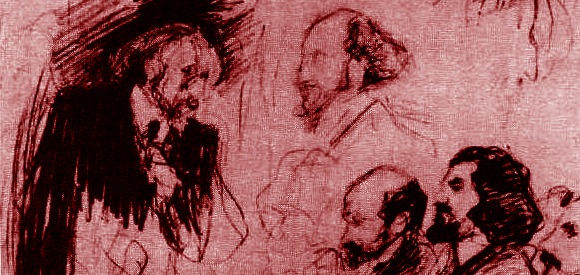
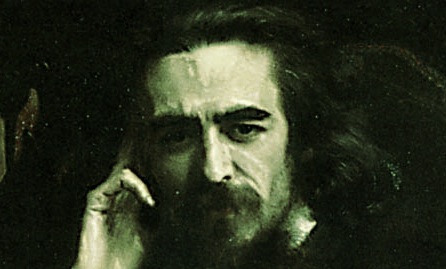
РУССКИЙ ФЕНИКС ИЛИ ЧТО ТАКОЕ ФИЛОСОФИЯ В РОССИИ? Странным образом, все кафедры в наших университетах — мертвы. В. Розанов. 1916 г. У философии в России несчастная судьба — и хотя несчастных судеб у нас много,
Писать об этом трудно и как-то всегда неуместно. Прочитать – хорошо бы, да негде. А вот говорим постоянно, в любом постороннем разговоре неминуемо сбиваясь на больные вопросы, - все осторожнее, правда, все тише. Но одно
According to Enzo Bianchi, prior of the Monastic Community of Bose (Piemonte, Italy), nothing of what is «authentically human» can be unrelated to the believer. Obviously, taking for granted a wide notion of the believer,
Secondo Enzo Bianchi, priore della Comunità monastica di Bose (Piemonte, Italia), nulla di ciò che è autenticamente umano può essere estraneo al credente. Ovviamente, volendo qui dare per acquisita una nozione di credente volutamente ampia,
The legend of the Grand Inquisitor as a chapter in the novel the Brothers Karamazov is still topical today. There is Ivan telling to Alyosha a legend as a sacred and historically unconfirmed, invented story.
The works of Mikhail Bakhtin are above all focused on the problems concerning literature and therefore tend to belong to the field of literary criticism. But at the same time we have to understand that
Tension et unité entre la tradition et l’expérience personnelle dans la connaissance de Dieu chez Pavel Florensky Pavel A. Florensky (1882-1937), un grand physicien et mathématicien russe devenu prêtre et “philosophe religieux”, a cherché d’unir
Al centro della creatività filosofica di Nikolaj Berdjaev risiede indubbiamente il problema dell’uomo. E “porsi il problema dell’uomo – significa allo stesso tempo porsi il problema della libertà, della creatività, della persona, dello spirito e
The Question of Spirit and Being in the Philosophy of Nikolai Berdyaev [1] I Towards novelty of life That which is born of the flesh is flesh; and that which is born of the Spirit is
In his foreword to the Italian (and my Slovene) translation of the essay "Spiritual Foundations of Life", Olivier Clément wrote: "Soloviev is truly a theologian (or religious philosopher) of modernity, which he transforms into postmodernity".