Nekoč so cerkve proslavljale sveto, danes pa pridigajo posvetnost in pojejo v zboru pravičnikov. Tako postajajo vse bolj pogrešljive. Zakaj so kristjani tako medli in slabotni? Kje je ostala sijoča moč njihove vere? Pogoltnilo
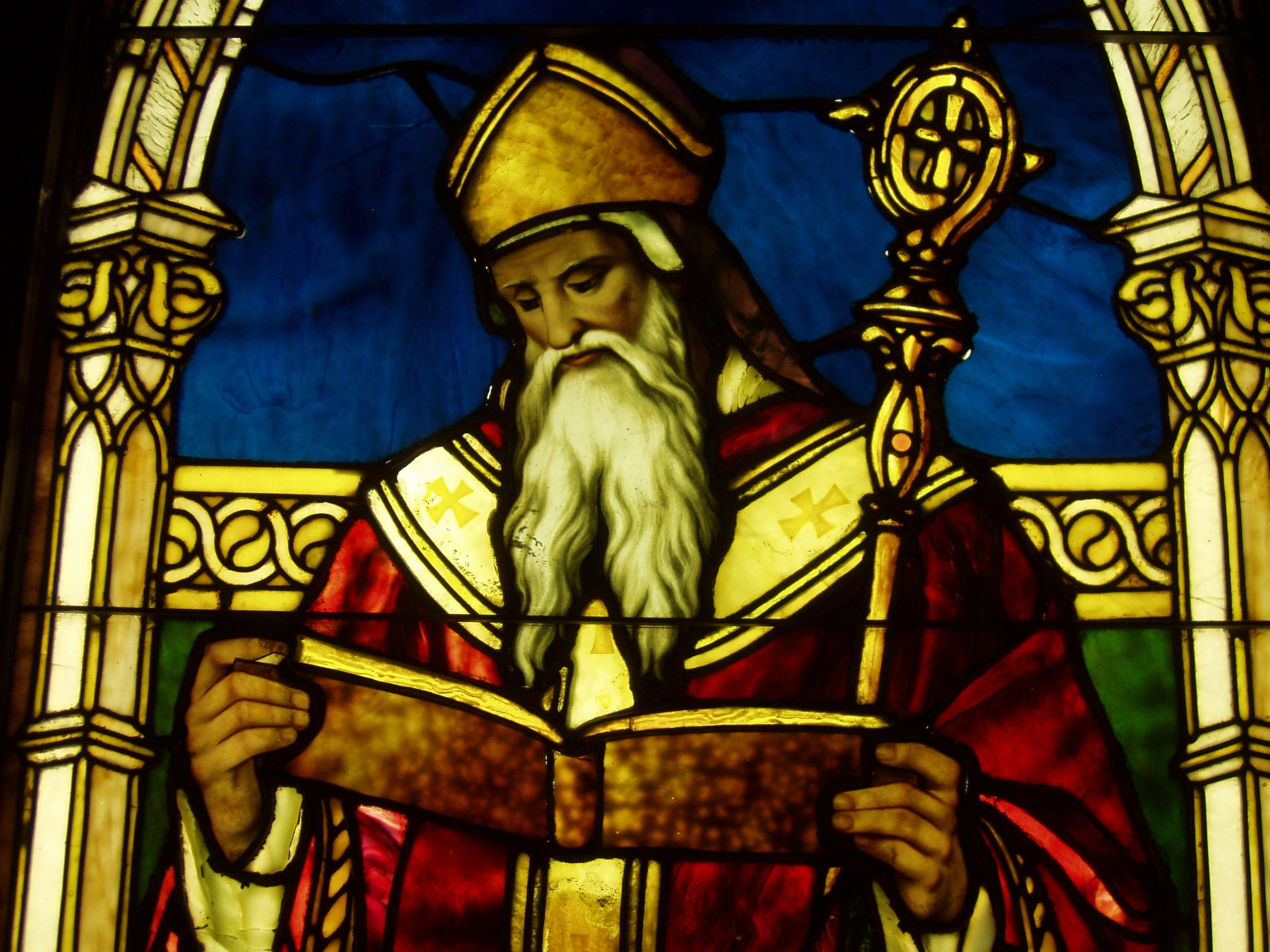
Iz Avguštinovih Retractationes, ki jih je napisal nekaj let pred svojo smrtjo v letu 430, izvemo ozadje nastanka tega zanimivega dela O 83-ih različnih vprašanjih (De diversis quaestionibus octoginta tribus, CPL 289) škofa iz Hipona.
Hay una hendidura
en la palabra
hendidura,
un desgarro donde
cada palabra calla,
donde todo callar crea;
es lo que en el decirse es aliento
no sonido,
es donde en cada palabra
nos escuchamos revelados.
V prvi bojni vrsti ortodoksije: Irenej Lyonski in njegov spopad s krivoverci[1] Če bi morali izbrati med najizvirnejšimi krščanskimi teologi antičnega sveta, bi zagotovo lahko izpostavili vsaj tri, ki so v zgodovini Cerkve pustili neizbrisen
Objavljeni odlomek je iz Gataličevega romana Vélika vojna, ki bo v kratkem izšel v zbirki 100 slovanskih romanov pri Forumu slovanskih kultur. Gre za najbolj bran srbski roman v tem tisočletju in hkrati eno najbolje prodajanih
ʿAbd al-Ǧabbār an-Niffarī: Knjiga duhovnih postajališč (Kitāb al-Mawāqif) Kratek uvod v življenje, delo in nauk ʿAbd al-Ǧabbārja an-Niffarīja O življenju ʿAbd al-Ǧabbārja an-Niffarīja (10. stol.) ne vemo skoraj ničesar. O njem ni nobene biografije in
Poljska pesnica Julia Fiedorczuk (1975) je za svojo zadnjo pesniško zbirko, Psalmi (2017), prejela pesniško nagrado Wisławe Szymborske za leto 2018 in bila nominirana za vroclavsko nagrado Silesius. Njeni psalmi, prepredeni z bibličnimi in drugimi
Iz zbirke KRVAVI POT (1933-1935) Realist Nepredstavljiva jesenska svetloba gre čez vaše pogrebne tlakovce, prijatelji, in prestrašeni dan, dan noči, vzdrgeta od dolgá vrhov, od dolgá svobod in srce v vaših priprtih prsih – krvaveči
Besedilo je prevod odlomka iz klasične študije s področja ruske intelektualne zgodovine, monografije Georgija Florovskega (1893–1979) z naslovom Poti ruske teologije (tretja izdaja 1983 [prva 1937], Pariz, YMCA-Press, str. 476–498; 569–570). Gre za del osmega
Omfalos Preročišče je pravzaprav to modro nebo, ki se je razsulo povsod okrog nas, beli vrhovi, izgubljeni med belimi oblaki, na mlačnem soncu, tukaj sta se srečala dva orla in sem smo padli mi, samo